
How Jebel Ali Customs Clearance Works for Importers: A Complete Guide
Every shipment entering the UAE through Jebel Ali Port must complete Jebel Ali customs clearance before it can be released. Knowing the customs process in advance helps importers prepare the right documents, prevent costly delays, and ensure faster cargo movement.
Jebel Ali Customs Clearance: Why It Matters for Import Businesses
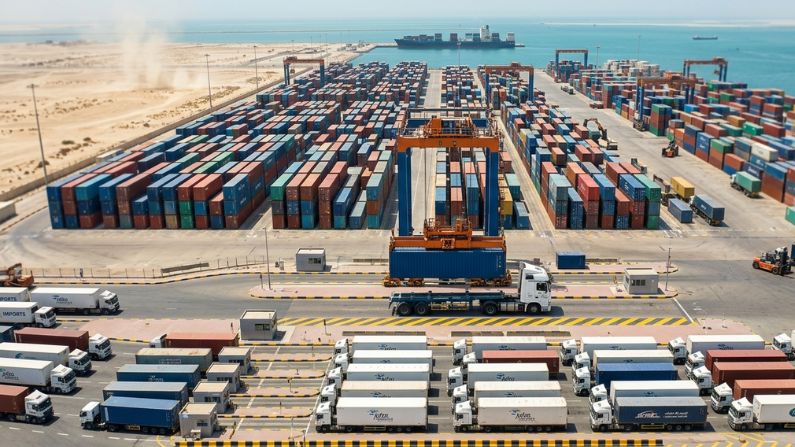
Before importing goods through Jebel Ali Port, businesses should understand how the customs clearance process works. Proper preparation helps avoid shipment delays, unexpected costs, and compliance issues while ensuring cargo is released on time.
Key things importers should know:
- Every import shipment must complete Jebel Ali customs clearance before entering the UAE market.
- Accurate shipping documents are essential for smooth customs processing.
- Correct HS code classification determines applicable duties and taxes.
- Some goods may require import permits or regulatory approvals.
- Customs inspections may be conducted based on cargo type or risk assessment.
- Timely duty payment helps prevent delays and additional storage charges.
Step-by-Step Jebel Ali Customs Clearance Process for Importers
Understanding each stage of the import process helps businesses prepare the required information before cargo reaches the port.
Cargo Arrival at Jebel Ali Port
The process begins when the shipment arrives at Jebel Ali Port. Shipping lines notify the importer or freight forwarder about the cargo arrival and provide the necessary shipping information.
At this stage, businesses should verify that all shipping documents are ready before customs processing begins.
Submit the Required Customs Documents
One of the most important stages is submitting the documents required for customs clearance in Dubai. Typical documents include:
- Commercial Invoice
- Packing List
- Bill of Lading
- Delivery Order
- Certificate of Origin
- Trade License
- Import Declaration
- Import Permit (where applicable)
Incomplete or inaccurate paperwork is one of the most common reasons shipments experience customs delays.
Customs Declaration Filing
Once the documentation has been verified, the importer or customs broker files an electronic customs declaration through Dubai Customs. The declaration normally contains:
- Importer information
- Product descriptions
- HS code classification
- Cargo value
- Country of origin
- Shipment details
Accurate declarations help customs process shipments more efficiently while reducing the possibility of inspections.
Cargo Classification and Duty Assessment
Dubai Customs reviews the declared goods and verifies the assigned HS codes. Based on the product classification, authorities calculate:
- Import duty
- VAT (where applicable)
- Regulatory requirements
- Product-specific approvals
Using the correct HS codes is essential because incorrect classifications can result in additional inspections or duty reassessments.
Customs Inspection (When Required)
Not every shipment is physically inspected. However, cargo may be selected based on:
- Product category
- Risk profiling
- Documentation discrepancies
- Random customs selection
If selected, customs officers compare the cargo with the submitted documents before approving the shipment.
Duty Payment
Once customs completes the assessment, applicable duties and taxes must be paid before cargo can be released. Prompt payment helps businesses avoid additional storage charges and unnecessary delays.
Cargo Release and Final Delivery
After customs approves the shipment and confirms payment, a release order is issued. The cargo can then leave the port and continue to warehouses, distribution centers, factories, or customer locations.
Essential Documents Importers Need for Customs Clearance in Dubai
Preparing the documents required for customs clearance in Dubai before your shipment reaches Jebel Ali Port is one of the most effective ways to ensure faster processing. Accurate documentation allows customs authorities to verify shipment details, assess applicable duties, and release cargo without unnecessary delays.
Importers should typically prepare the following documents:
- Commercial Invoice – Provides the value, quantity, and description of the imported goods.
- Packing List – Details the contents, dimensions, and weight of each package.
- Bill of Lading – Serves as the official transport document issued by the shipping line.
- Certificate of Origin – Confirms the country where the goods were manufactured.
- Import Declaration – Submitted electronically through Dubai Customs.
- Trade License – Verifies the importing company’s legal registration.
- Import Permit – Required for regulated or restricted product categories.
- Product-specific approvals – Applicable for goods such as food, chemicals, pharmaceuticals, or electronics that require regulatory clearance.
Common Reasons Import Shipments Get Delayed During Jebel Ali Customs Clearance

While Jebel Ali customs clearance is designed to facilitate efficient trade, import shipments can still be delayed if customs requirements are not fully met. Most delays occur due to documentation errors or compliance issues that can be prevented with proper planning.
Some of the most common causes include:
- Incomplete or inaccurate documentation – Missing invoices, packing lists, or certificates slow the verification process.
- Incorrect HS code classification – Using the wrong product classification can result in additional inspections or revised duty calculations.
- Incorrect cargo valuation – Differences between declared values and supporting documents may trigger customs reviews.
- Missing import permits or approvals – Certain products cannot be cleared until the required regulatory permissions are obtained.
- Restricted or controlled goods – Goods subject to import regulations require additional verification during customs clearance Jebel in Ali port procedures.
- Delayed customs duty payments – Cargo is released only after all applicable duties and taxes have been paid.
Best Practices for Faster Jebel Ali Customs Clearance
Importers can complete Jebel Ali customs clearance more efficiently by preparing shipments before they arrive at the port. Following established customs procedures in Jebel Ali authorities require helps reduce processing time and minimizes avoidable clearance issues.
To support faster customs clearance:
- Prepare all documents required for customs clearance in Dubai before shipment arrival.
- Verify that invoices, packing lists, and transport documents contain accurate and consistent information.
- Use the correct HS code classification for every imported product.
- Obtain import permits and regulatory approvals before the cargo reaches Jebel Ali Port.
- Ensure customs declarations accurately match the shipment details.
- Pay customs duties and VAT promptly after assessment.
- Work with an experienced customs broker or freight forwarding company to manage documentation and customs compliance.
Following these best practices helps importers reduce delays, maintain compliance, and ensure smoother cargo movement through customs clearance in Jebel Ali port procedures.
Why Businesses Choose ShipperLines
Managing customs requirements can be challenging, particularly for businesses handling regular international shipments. ShipperLines provides comprehensive customs clearance and freight forwarding support to simplify the entire import process.
Our services include:
- Import customs clearance, Customs documentation assistance
- Sea freight services, Air freight services, Land transportation
- Freight forwarding, Cargo coordination
- Door-to-door logistics solutions
With extensive experience managing imports through Jebel Ali Port, we help businesses maintain compliance while improving delivery efficiency.
Conclusion
Understanding Jebel Ali customs clearance enables businesses to import goods into the UAE with greater confidence and efficiency. From preparing the documents required for customs clearance in Dubai to completing declarations, inspections, duty payments, and cargo release, each stage plays an important role in successful import operations.
Businesses that understand the customs procedures in Jebel Ali follows, prepare accurate documentation, and work with experienced logistics professionals are better positioned to avoid delays, reduce operational costs, and maintain efficient supply chains. With ShipperLines as your logistics partner, importing through customs clearance in Jebel Ali port becomes faster, simpler, and more reliable.
Frequently Asked Questions
1. What are the documents required for customs clearance in Dubai?
The common documents include a Commercial Invoice, Packing List, Bill of Lading, Certificate of Origin, Import Declaration, Trade License, Delivery Order, and any required import permits.
2. Are all shipments inspected at Jebel Ali Port?
No. Customs inspections are conducted based on risk assessment, cargo type, documentation accuracy, or random selection.
3. What are the common causes of customs delays?
Incomplete documentation, incorrect HS codes, missing permits, shipment valuation errors, and delayed duty payments are among the most common reasons.
4. Can ShipperLines manage customs clearance for import shipments?
Yes. ShipperLines offers customs brokerage, freight forwarding, documentation support, and complete import logistics solutions to help businesses clear cargo efficiently through Jebel Ali Port.