
Import vs Export Customs Clearance in UAE: Avoid Delays with the Right Customs Process
International trade depends on efficient customs procedures to keep cargo moving without delays. Understanding import vs export customs clearance in UAE helps businesses stay compliant, reduce shipment disruptions, and improve supply chain efficiency. At ShipperLines, we simplify both import and export customs processes with expert guidance, accurate documentation, and reliable customs support across the UAE.
Import vs Export Customs Clearance in UAE: What Is the Difference?
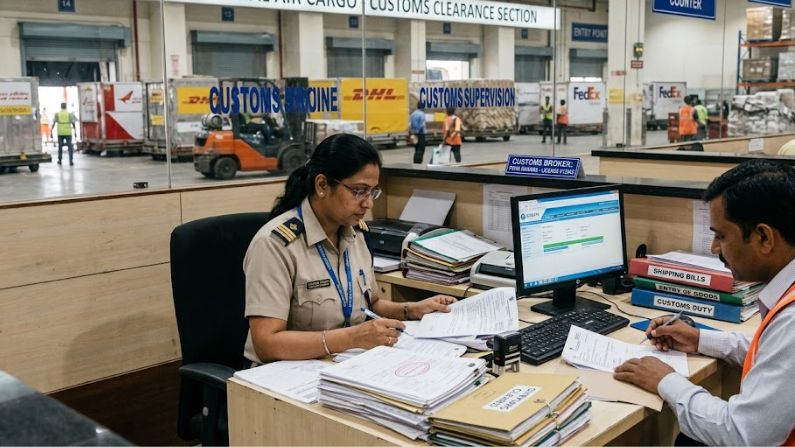
Understanding import vs export customs clearance in UAE begins with knowing the purpose of each process.
♦️ Import customs clearance applies when goods enter the UAE from another country. Customs authorities verify shipment details, review documentation, assess applicable duties and taxes, inspect cargo where required, and approve goods for entry into the local market.
♦️ Export customs clearance applies when goods leave the UAE for international destinations. Customs officials review export declarations, verify compliance with export regulations, and authorize cargo before departure through ports, airports, or land borders.
Although both processes involve customs documentation and regulatory checks, they follow different procedures depending on whether the shipment is entering or leaving the country.
Key Differences Between Import and Export Customs Clearance
Businesses involved in international trade should clearly understand the differences before arranging shipments.
|
Import Customs Clearance |
Export Customs Clearance |
|
Goods enter the UAE |
Goods leave the UAE |
|
Import duties and taxes may apply |
Export duties depend on cargo type and destination |
|
Import declarations are required |
Export declarations are required |
|
Customs verifies import eligibility |
Customs verifies export compliance |
|
Cargo is released into the UAE market |
Cargo is approved for international shipment |
|
Import permits may be required |
Export approvals may be required for regulated goods |
Choosing the correct customs process helps businesses avoid unnecessary delays and maintain compliance throughout the shipping journey.
Import Customs Clearance Process in UAE
Import shipments follow a structured customs procedure before goods can be released into the UAE market. The standard process generally includes:
- Cargo arrival by sea, air, or land
- Submission of import documentation
- Customs declaration filing
- HS code classification
- Customs inspection (when required)
- Duty and tax assessment
- Payment of applicable customs charges
- Cargo release
Preparing documentation accurately before shipment arrival significantly reduces the possibility of customs delays.
Export Customs Clearance Process in UAE
Export customs clearance ensures cargo complies with UAE export regulations before international transportation begins. The export process typically includes:
- Preparing export documentation
- Product classification
- Export declaration submission
- Customs verification
- Cargo inspection (if required)
- Export approval
- Cargo release for shipment
Since export cargo leaves the UAE, customs authorities primarily focus on verifying regulatory compliance before approving departure.
Is Import or Export Customs Clearance More Complex?
Many businesses ask whether import or export customs clearance is more challenging. Understanding these differences allows businesses to prepare shipments more effectively while reducing compliance risks.
Import Customs Clearance
In most cases, import customs clearance involves more detailed verification because customs authorities assess duties, taxes, product eligibility, permits, and valuation before goods can enter the UAE market.
Export customs clearance
Export customs clearance generally focuses on export declarations, shipment documentation, and regulatory approvals before cargo leaves the country. However, export requirements may become more complex depending on the destination country, product category, and international trade regulations.
Documents Required for Import Export Customs Clearance
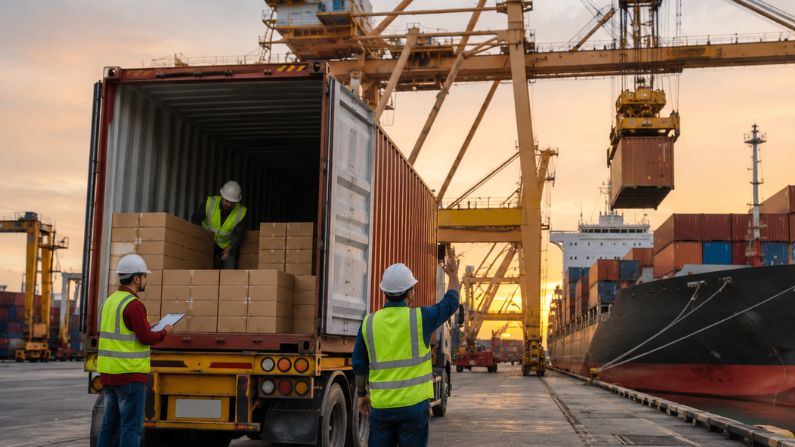
Accurate documentation is one of the most important requirements for successful import export customs clearance. Common shipping documents include:
- Commercial Invoice
- Packing List
- Bill of Lading or Air Waybill
- Certificate of Origin
- Import or Export Declaration
- Trade License
- Delivery Order (where applicable)
- Product-specific permits and approvals
Well-prepared documentation supports faster customs processing and minimizes shipment delays.
Customs Regulations in UAE Businesses Must Follow
Compliance with customs regulations established by UAE authorities is essential for smooth international trade. Businesses should pay attention to:
- Correct HS code classification
- Accurate cargo valuation
- Restricted and prohibited goods
- Import licensing requirements
- Export control regulations
- Product-specific approvals
- Proper record keeping
Failure to comply with customs regulations may result in inspections, shipment holds, penalties, or additional documentation requests.
How Dubai Shipping Port Customs Rules Affect Cargo Movement
Many international shipments move through Dubai’s major seaports. Understanding Dubai shipping port customs rules helps businesses prepare shipments more efficiently and reduce operational disruptions. Important considerations include:
- Accurate cargo declarations
- Timely submission of shipping documents
- Compliance with port handling procedures
- Customs inspection requirements
- Cargo release coordination
- Container handling regulations
Working with experienced customs specialists helps businesses navigate port procedures while maintaining regulatory compliance.
Common Challenges During Customs Clearance
Even experienced importers and exporters occasionally encounter customs-related issues. Some of the most common challenges include:
- Missing documentation
- Incorrect HS code classification
- Incomplete customs declarations
- Shipment inspections
- Regulatory compliance issues
- Incorrect cargo valuation
- Documentation inconsistencies
Most of these challenges can be avoided through careful planning and document verification before cargo reaches customs.
Why Professional Customs Clearance Support Matters
Managing import and export customs procedures requires a thorough understanding of documentation, declarations, regulatory requirements, and customs processes. Since import and export shipments follow different compliance requirements, businesses often benefit from professional customs expertise. Experienced customs specialists help by:
- Reviewing shipment documentation
- Preparing accurate customs declarations
- Coordinating with customs authorities
- Supporting regulatory compliance
- Monitoring shipment progress
- Assisting with cargo release
- Reducing documentation errors
Professional support simplifies customs procedures while helping businesses maintain efficient cargo movement.
Conclusion
Understanding import vs export customs clearance in UAE enables businesses to prepare shipments correctly, comply with regulations, and improve supply chain performance. Although both processes involve customs documentation and regulatory approvals, they differ in objectives, procedures, and compliance requirements.
Businesses that understand customs regulations in UAE, follow Dubai shipping port customs rules, and prepare accurate documentation are better positioned to minimize shipment delays and maintain smooth international trade operations. Partnering with experienced customs professionals further simplifies the process, allowing businesses to focus on growth while ensuring efficient cargo movement.
Frequently Asked Questions
1. What is the difference between import and export customs clearance?
Import customs clearance applies to goods entering the UAE, while export customs clearance applies to goods leaving the UAE for international destinations.
2. What documents are required for import export customs clearance?
Common documents include commercial invoices, packing lists, transport documents, customs declarations, certificates of origin, and any permits required for specific cargo.
3. Why are customs regulations in UAE important?
They ensure imported and exported goods comply with national trade laws, product regulations, security requirements, and customs procedures.
4. How do Dubai shipping port customs rules affect businesses?
They govern documentation, cargo handling, customs declarations, inspections, and cargo release procedures for shipments moving through Dubai’s ports, helping ensure compliant and efficient trade operations.