
Complete Guide to Customs Clearance for First-Time Importers in UAE
Completing customs clearance for first-time importers in UAE can seem challenging, especially if you’re importing commercial goods for the first time. Understanding the documentation, import regulations, and customs process before your shipment arrives helps you avoid delays, additional costs, and compliance issues.
Whether you’re a startup, SME, or expanding business, this guide explains how to import goods to UAE for the first time, the customs requirements you’ll need to meet, and practical steps that make your first import shipment smoother.
Who Is Considered a First-Time Importer? | Customs Clearance for First-Time Importers in UAE
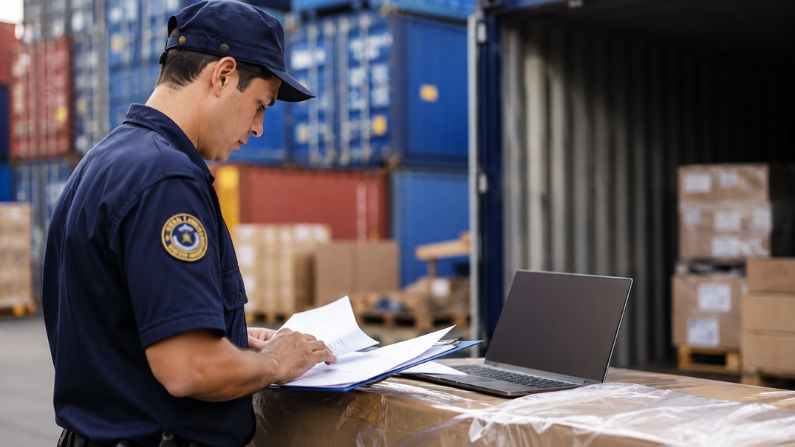
Not every first-time importer is a large trading company. If you are importing commercial goods into the UAE for the first time, you fall into this category regardless of your business size.
You may be a first-time importer if you are:
-
A newly registered trading company importing products for resale.
-
A manufacturer importing raw materials or machinery.
-
An e-commerce business sourcing products from overseas suppliers.
-
A startup importing inventory for the first time.
-
An established business entering international trade for the first time.
Whether you import through Jebel Ali Port, Dubai airports, or UAE land borders, understanding customs clearance for first-time importers in UAE helps you avoid unnecessary delays and costly compliance mistakes.
Import Rules in UAE for New Businesses
Before your first shipment arrives, it is important to understand the import rules in UAE for new businesses. Meeting these requirements helps customs authorities process your cargo efficiently while reducing the risk of shipment holds.
Some of the key requirements include:
- Obtain a valid UAE Trade License.
- Register with Dubai Customs or the relevant emirate’s customs authority.
- Obtain an Importer Code where required.
- Use accurate HS codes for all imported products.
- Ensure commercial invoices and shipping documents are complete.
- Obtain product-specific permits for regulated goods such as food, cosmetics, medical devices, chemicals, or telecommunications equipment.
- Pay applicable customs duties and VAT before cargo release.
Keeping these requirements in place before shipping helps first-time importers complete customs formalities with fewer complications.
How to Import Goods to UAE for the First Time
If you’re wondering how to import goods to UAE for the first time, the process becomes much easier when broken into manageable steps.
Step 1 – Register Your Business
Your business should have a valid UAE trade license permitting import activities.
Step 2 – Obtain an Importer Code
Businesses importing commercial goods generally require an importer code or customs registration before customs declarations can be filed.
Step 3 – Select a Reliable Overseas Supplier
Verify product specifications, pricing, Incoterms, shipping responsibilities, and documentation before confirming your order.
Step 4 – Choose the Right Shipping Method
Depending on your shipment size and urgency, select:- Sea Freight, Air Freight, Land Freight
Step 5 – Prepare Shipping Documents
Ensure your supplier provides all required shipping documentation before cargo departs.
Step 6 – Complete Customs Clearance
Once cargo arrives, customs authorities verify documents, calculate duties, inspect shipments when required, and release the goods.
Step 7 – Arrange Final Delivery
After customs approval, your shipment can be transported to your warehouse or business location.
Understanding the Customs Process for Importers in UAE
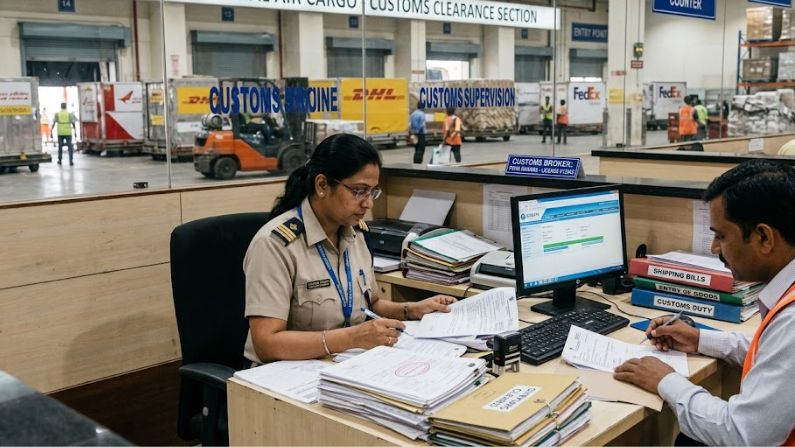
The customs process for importers in UAE follows a structured workflow designed to ensure compliance while facilitating efficient international trade. The standard process generally includes:
- Shipment arrival
- Document verification
- Customs declaration filing
- HS code verification
- Customs duty assessment
- Cargo inspection (when required)
- Duty payment
- Cargo release
- Final delivery
Although the process is standardized, different products may require additional approvals depending on UAE regulations.
First Time Importer Checklist UAE
Preparing everything before your shipment departs is one of the easiest ways to avoid customs delays. Use this first-time importer checklist UAE before every shipment:
Business Registration
Valid Trade License and Importer Code/Customs Registration
Shipping Documents
Commercial Invoice, Packing List, and Bill of Lading or Air Waybill
Origin & Compliance Documents
Certificate of Origin, Import Permits (if applicable), and Product-specific Approvals
Product Information
Correct HS Codes for all imported goods
Import Cost Planning
Budget for Customs Duty, VAT, and related import charges
Logistics Support
Appoint an experienced Freight Forwarder or Customs Broker
Common Challenges First-Time Importers Face
Many first-time importers assume customs clearance is simply submitting paperwork. In reality, several small mistakes made before the shipment leaves the supplier can create significant delays after arrival. Understanding these common challenges helps businesses prepare more effectively.
1. Wrong Supplier Documentation: Errors in commercial invoices, packing lists, or certificates of origin are among the most common reasons shipments require additional customs verification.
2. Incorrect HS Code Classification: Using the wrong Harmonized System (HS) code may result in incorrect duty calculations, customs inspections, or delayed cargo release.
3. Missing Importer Registration: Many new businesses forget to complete the necessary importer registration or obtain the required Importer Code before arranging shipments.
4. Choosing the Wrong Incoterms: Not understanding Incoterms (such as FOB, CIF, or EXW) can create confusion regarding freight costs, insurance responsibilities, customs obligations, and delivery arrangements.
5. Underestimating Total Import Costs: Many first-time businesses budget only for product costs and freight, overlooking customs duties, VAT, port handling charges, documentation fees, and inland transportation.
6. Lack of Customs Compliance Knowledge: New importers may not be aware of product restrictions, permit requirements, or UAE regulatory approvals, leading to avoidable shipment delays.
Why First-Time Importers Choose ShipperLines
Managing your first international shipment involves multiple moving parts, from freight booking and documentation to customs compliance and final delivery. ShipperLines helps first-time importers by providing:
- Customs brokerage
- Documentation verification
- Freight forwarding
- Air, sea, and land freight coordination
- Import consultation
- Door-to-door logistics
- Shipment tracking
- Regulatory compliance support
With experienced customs specialists and integrated logistics solutions, we simplify the importing process so businesses can focus on growth instead of paperwork.
Conclusion
Completing customs clearance for first-time importers in UAE begins long before your shipment reaches the port. By understanding how to import goods to UAE for the first time, following the customs process for importers in UAE, complying with import rules in UAE for new businesses, and using a practical first time importer checklist UAE, businesses can reduce delays, avoid unnecessary costs, and import with confidence.
Whether you’re bringing in your first shipment or planning long-term international sourcing, partnering with an experienced logistics provider like ShipperLines makes customs clearance faster, simpler, and fully compliant.
Frequently Asked Questions
1. Who is a first-time importer in the UAE?
Any individual or business importing commercial goods into the UAE for the first time.
2. What documents are needed for first-time imports?
Typically, a Commercial Invoice, Packing List, Bill of Lading, Trade License, Import Declaration, and any required permits.
3. Do I need an Importer Code in the UAE?
Yes, commercial importers generally need customs registration or an Importer Code.
4. How long does customs clearance usually take?
If documents are correct, most shipments are cleared within a few working days.
5. Can ShipperLines help first-time importers?
Yes. ShipperLines provides customs clearance, documentation support, freight forwarding, and end-to-end import logistics.