
Common Customs Clearance Mistakes That Delay Shipments
Customs clearance mistakes are one of the most common reasons businesses face unexpected shipping delays and increased costs. In a fast-moving trade hub like the UAE, even a small error in documentation or classification can result in your cargo being held at the port.
For importers and exporters, understanding where things go wrong is the key to avoiding unnecessary customs clearance delays and keeping supply chains smooth.
Why Small Customs Clearance Mistakes Cause Big Shipment Delays
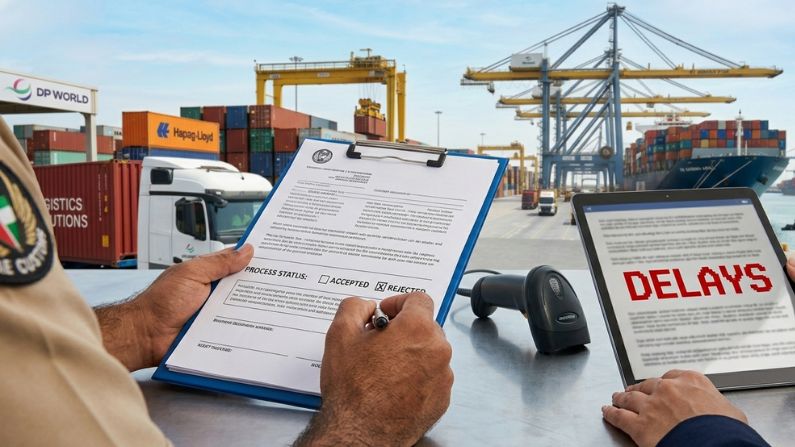
Many importers assume customs clearance is a routine process, but in reality, it is highly detail-driven and strictly regulated. A minor mismatch in invoice details or an incorrect HS code can trigger inspections or even rejection. These issues often lead to costly customs clearance delays that affect delivery schedules, client commitments, and business operations.
In major UAE ports like Jebel Ali, the volume of cargo is extremely high, which means authorities follow strict compliance checks. Understanding the most common mistakes helps importers reduce risks and avoid operational disruptions.
1. Incomplete or Incorrect Documentation
One of the biggest causes of customs clearance mistakes is missing or inaccurate paperwork. Customs authorities require precise documentation to verify the shipment details. Common documentation issues include:
- Missing commercial invoice or packing list
- Mismatch between the invoice and the shipment contents
- Incorrect consignee or shipper details
- Missing certificates of origin
Even small errors can result in inspection requests or rejection, contributing to customs clearance delays that could have been easily avoided.
2. Incorrect HS Code Classification
HS codes determine the duty, tax, and clearance category of goods. One of the most frequent customs rejection reasons in UAE is the wrong classification of products. When HS codes are incorrectly assigned:
- Duties may be calculated incorrectly
- Goods may be flagged for inspection
- Shipment clearance may be paused
This is especially critical for mixed or technical goods, where classification can be complex. Incorrect coding often leads to unnecessary port clearance delays in Jebel Ali, one of the busiest trade hubs in the region.
3. Undervaluation or Misdeclaration of Goods
Declaring an incorrect value of goods is another serious mistake. Some importers try to reduce customs duty by undervaluing shipments, but UAE customs systems are highly advanced and data-driven. This can result in:
- Heavy fines or penalties
- Shipment seizure or rejection
- Increased inspection rates for future shipments
Misdeclaration is one of the leading customs rejection reasons in UAE, and it can significantly damage importer’s credibility with customs authorities.
4. Restricted or Non-Compliant Goods
Every country has import restrictions, and the UAE is no exception. Importing restricted goods without proper permits leads to immediate clearance issues. Examples include:
- Chemicals requiring special approval
- Electronics without certification
- Food items without health clearance
Such issues frequently cause port clearance delays in Jebel Ali, as authorities may hold shipments until proper documentation is provided or the goods are returned.
5. Poor Coordination with Freight Forwarders
Many businesses underestimate the importance of working with experienced logistics partners. A lack of coordination between importers, freight forwarders, and customs brokers often leads to errors in submission and timing. Poor communication can result in:
- Delayed document submission
- Missing updates on shipment status
- Incorrect filing of customs declarations
These gaps directly contribute to customs clearance delays, especially in high-volume ports like Dubai and Jebel Ali.
6. Lack of Understanding of UAE Customs Procedures
First-time importers often struggle with the procedural complexity of UAE customs. Without proper knowledge, they may submit incomplete applications or miss key compliance steps.
This lack of awareness is a major reason behind customs rejection reasons in UAE, especially for new businesses entering the import/export market. Proper guidance and compliance knowledge can significantly reduce risks and ensure smoother clearance operations.
7. Delays in Duty Payment or Clearance Fees
Customs clearance is not completed until all applicable duties and VAT payments are cleared. Delays in processing payments can result in cargo being held at the port. Common issues include:
Payment processing delays
Incorrect duty calculation
Missing financial approvals
Overall, customs clearance delays affect delivery timelines and warehouse planning.
What to Do If Cargo Is Stuck in UAE Customs
Even with careful planning, shipments can sometimes be held. Knowing what to do if cargo is stuck in UAE customs is essential for minimizing damage and delays. Steps to follow:
- Immediately check the reason for the hold with your freight forwarder
- Verify documentation for missing or incorrect details
- Coordinate with a licensed customs broker
- Submit corrected documents or approvals quickly
- Ensure duty payments are cleared without delay
In most cases, proactive communication and quick correction of errors can resolve issues faster and reduce storage charges.
How to Prevent Customs Clearance Mistakes
Preventing issues is always better than fixing them later. Businesses can reduce risks by:
- Ensuring accurate documentation before shipment
- Using correct HS codes verified by experts
- Working with experienced logistics partners
- Staying updated with the UAE import regulations
- Double-checking the invoice and packaging details
These steps significantly reduce customs clearance delays and help maintain consistent supply chain performance.
Conclusion
Customs clearance in the UAE is a structured but highly detail-sensitive process. Most delays are not caused by complex regulations, but by avoidable customs clearance mistakes such as documentation errors, incorrect classification, or miscommunication.
Understanding customs rejection reasons in UAE, managing compliance properly, and working with experienced freight partners can greatly reduce risks. For busy logistics hubs like Jebel Ali, avoiding these mistakes is essential to prevent unnecessary port clearance delays in Jebel Ali and ensure smooth cargo movement.
For importers facing issues, knowing what to do if cargo is stuck in UAE customs can help resolve delays quickly and minimize financial impact. With proper planning and attention to detail, businesses can ensure faster, more reliable customs clearance operations every time. Shipperlines provides end-to-end logistics and freight forwarding solutions across the UAE, helping businesses reduce customs clearance delays with expert documentation handling and compliance support. Whether it is air, sea, or land freight, our team ensures smooth processing at major ports like Jebel Ali and other UAE entry points. Learn more about our services at Shipperlines Customs Clearance & Freight Solutions to streamline your import operations and avoid common customs clearance mistakes.
Frequently Asked Questions
1. How long does customs clearance take in the UAE?
Usually 1–3 working days if documents are correct and duties are paid.
2. Can I do customs clearance without a freight forwarder?
Yes, but using a freight forwarder is recommended to avoid delays and errors.
3. Which documents are commonly rejected by UAE customs?
Incorrect invoices, missing certificates, and mismatched shipment details.
4. Are all shipments inspected by UAE customs?
No, only selected shipments are inspected based on risk or random checks.