
How Freight Forwarding Works Step by Step: A Complete Guide for Businesses
Understanding how freight forwarding works is essential for businesses looking to move cargo efficiently across international markets while minimizing delays and compliance issues. At Shipperlines, we simplify global shipping through expert freight forwarding solutions that coordinate transportation, customs clearance, and cargo delivery from origin to destination.
How Freight Forwarding Works in International Trade
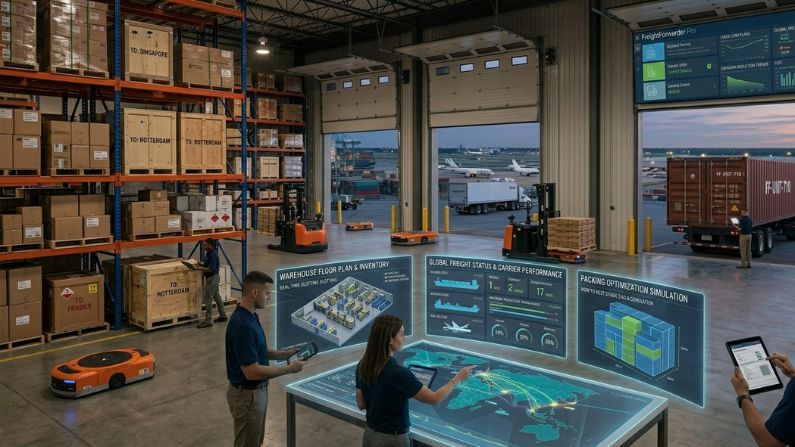
Understanding how freight forwarding works begins with understanding the role of a freight forwarder. A freight forwarder acts as an intermediary between shippers, transportation providers, customs authorities, and final delivery destinations. Rather than owning ships, aircraft, or trucks, freight forwarders coordinate every stage of cargo transportation to ensure shipments reach their destination safely and efficiently.
Freight forwarders typically manage:
- Transportation planning
- Carrier selection and booking
- Shipping documentation
- Customs clearance coordination
- Cargo tracking and monitoring
- Delivery management
Their expertise helps businesses navigate international shipping requirements while minimizing logistical challenges.
Freight Forwarding Process Step by Step
The freight forwarding process step by step involves several coordinated stages that ensure cargo moves efficiently from origin to destination.
Step 1: Shipment Planning and Cargo Assessment
Every shipment begins with a detailed evaluation of cargo requirements. Important considerations include:
- Cargo type, Weight and dimensions, Delivery deadlines, Destination country, Budget requirements, Transportation preferences
Based on these factors, the freight forwarder develops a customized shipping plan.
Step 2: Selecting the Best Transportation Mode
Choosing the appropriate transportation method is critical for balancing cost, speed, and efficiency.
1. Sea Freight
Sea freight is suitable for:
- Large-volume shipments, Containerized cargo, Cost-sensitive transportation
2. Air Freight
Air freight is commonly used for:
- Urgent deliveries, High-value products, Time-sensitive cargo
3. Land Freight
Land transportation supports:
- Domestic distribution, GCC cross-border logistics, Regional cargo movement
Step 3: Cargo Collection and Consolidation
Once transportation arrangements are finalized, cargo is collected from the supplier, warehouse, or manufacturing facility.
For smaller shipments, freight forwarders often consolidate cargo from multiple customers into a single shipment. This helps reduce transportation costs and maximize cargo space utilization.
Step 4: Documentation Preparation
Documentation is one of the most important stages of international shipping. Common shipping documents include:
- Commercial Invoice, Packing List, Bill of Lading, Air Waybill, Certificate of Origin, Import and Export Permits
Accurate documentation ensures compliance with international trade regulations and helps prevent costly delays.
Step 5: Customs Clearance Procedures
Before cargo can enter or leave a country, customs authorities must approve the shipment. Freight forwarders assist with:
- Customs declarations, Regulatory compliance, Duty and tax calculations, Import and export documentation
Professional customs support helps businesses avoid shipment holds and clearance delays.
Step 6: International Transportation
After customs clearance, cargo begins its journey through the selected transportation network. During transit, freight forwarders coordinate with:
- Shipping lines, Airlines, Trucking companies, Port operators, Terminal authorities
This coordination ensures smooth cargo movement throughout the supply chain.
Step 7: Shipment Tracking and Monitoring
Modern logistics technology allows businesses to monitor cargo throughout the transportation process. Tracking systems help businesses:
- Monitor shipment status, receive transit updates, Estimate arrival times, and manage customer expectations
Improved shipment visibility enhances supply chain planning and operational efficiency.
Step 8: Destination Customs Clearance
When cargo reaches its destination country, import customs clearance may be required before goods can be released. The freight forwarder assists with:
- Import declarations, Compliance verification, Duty payments, Customs inspections, Cargo release procedures
Successful clearance allows cargo to proceed to final delivery.
Step 9: Final Delivery to Consignee
The final stage involves transporting cargo from the port, airport, or terminal to its intended destination. Final delivery may include:
- Warehouse deliveries, Distribution centers, Retail stores, Industrial facilities, Customer locations
At this stage, the shipment is successfully completed.
Common Challenges in Freight Forwarding
While freight forwarding simplifies international shipping, businesses may still encounter several obstacles during transportation. Some of the most common challenges in freight forwarding include:
1. Documentation Errors: Incomplete or inaccurate paperwork can lead to customs delays and shipment holds.
2. Customs Compliance Issues: Different countries have unique import and export regulations that must be followed carefully.
3. Transportation Delays: Factors such as weather conditions, port congestion, and carrier scheduling disruptions can impact delivery timelines.
4. Rising Freight Costs: Fuel prices, capacity shortages, and market fluctuations can increase transportation expenses.
5. Supply Chain Disruptions: Global events and unexpected operational challenges can affect shipment schedules and cargo availability.
Working with an experienced freight forwarding partner helps businesses proactively manage these risks.
How to Choose the Freight Forwarder for Your Business
Understanding how to choose the freight forwarder is essential for maintaining efficient logistics operations. When selecting a logistics partner, businesses should evaluate:
Industry Experience
Choose a freight forwarder with experience handling shipments within your industry and target markets.
Service Coverage
A provider offering sea, air, land freight, customs clearance, and door-to-door delivery can simplify logistics management.
Customs Expertise
Strong customs knowledge reduces compliance risks and shipment delays.
Technology and Shipment Tracking
Real-time cargo tracking improves shipment visibility and communication.
Customer Support
Responsive customer service ensures quick problem resolution and smoother shipment management.
Global Logistics Network
A strong international network allows freight forwarders to coordinate cargo efficiently across multiple countries and transportation modes.
How Shipperlines Supports Freight Forwarding Operations
At Shipperlines, we provide comprehensive freight forwarding solutions designed to simplify international cargo movement for businesses across various industries. Our services include:
- Sea Freight Services
- Air Freight Services
- Land Freight Services
- Customs Brokerage and Clearance
- Door-to-Door Delivery
- Cargo Tracking and Monitoring
- Import and Export Logistics Support
By combining transportation expertise, customs knowledge, and end-to-end logistics coordination, Shipperlines helps businesses move cargo efficiently across local, regional, and international markets.
Conclusion
Understanding how freight forwarding works allows businesses to make informed shipping decisions and improve supply chain efficiency. From shipment planning and documentation to customs clearance, transportation, and final delivery, every stage of the freight forwarding process step by step contributes to successful cargo movement.
While there are several common challenges in freight forwarding, partnering with an experienced logistics provider can help businesses overcome these obstacles and maintain reliable operations. Equally important is understanding how to choose the freight forwarder that aligns with your business requirements, ensuring smoother transportation processes, reduced costs, and long-term supply chain success.
Frequently Asked Questions
What is freight forwarding?
Freight forwarding is the process of coordinating and managing the transportation of goods through sea, air, or land freight networks.
Does a freight forwarder transport cargo directly?
Most freight forwarders coordinate shipments through carriers such as shipping lines, airlines, and trucking companies rather than operating transportation assets themselves.
Why is customs clearance important?
Customs clearance ensures shipments comply with import and export regulations, helping avoid delays, penalties, and cargo holds.
How long does the freight forwarding process take?
Transit times vary depending on transportation mode, destination, customs procedures, and shipment requirements.
How do I choose the right freight forwarder?
Consider factors such as experience, service coverage, customs expertise, tracking capabilities, customer support, and global network strength.