
What Is Freight Forwarding? A Beginner’s Guide
Searching for reliable freight forwarding services to simplify international shipping and cargo management? ShipperLines helps businesses move goods efficiently across global markets through customized logistics solutions, documentation support, and end-to-end shipment coordination.
What Is Freight Forwarding?
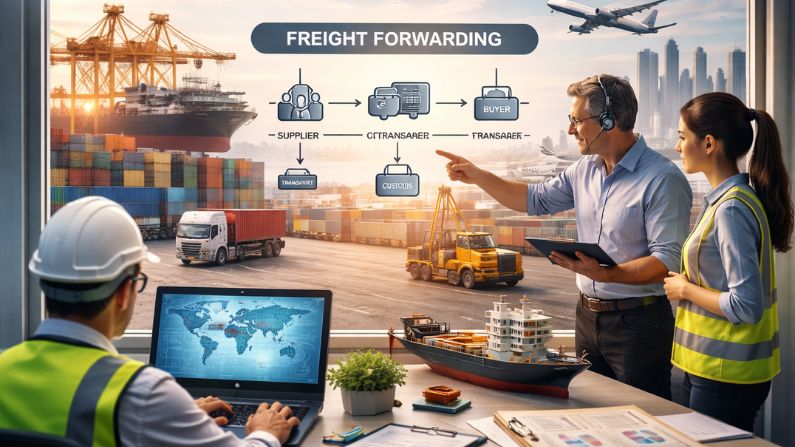
Understanding what freight forwarding is is essential for any business involved in importing or exporting goods. Freight forwarding is the process of organizing, coordinating, and managing the transportation of cargo from one location to another through air, sea, land, or a combination of transport modes.
Rather than physically moving the cargo themselves, freight forwarders act as logistics specialists who arrange transportation, manage shipping documentation, coordinate with carriers, and ensure shipments comply with international trade regulations.
As global supply chains become increasingly complex, freight forwarding has become a critical service for businesses seeking efficient and reliable cargo movement across international markets.
Who Is a Freight Forwarder?
A freight forwarder is a logistics professional or company that serves as an intermediary between businesses and transportation providers. Freight forwarders coordinate every stage of the shipping process, helping businesses move goods efficiently while reducing operational complexity.
Their role extends beyond booking transportation. They work closely with shipping lines, airlines, trucking companies, customs authorities, and warehouse operators to ensure cargo reaches its destination on time.
Whether a company ships products regularly or occasionally, freight forwarders provide the expertise needed to manage international logistics effectively.
Freight Forwarder Responsibilities
Understanding freight forwarder responsibilities helps businesses recognize the value these logistics specialists bring to the supply chain.
Common responsibilities include:
- ➜ Shipment planning and coordination
- ➜ Carrier selection and booking
- ➜ Documentation preparation
- ➜ Customs clearance support
- ➜ Cargo tracking and monitoring
- ➜ Freight cost optimization
- ➜ Route planning and scheduling
- ➜ Delivery coordination
By managing these activities, freight forwarders help businesses avoid delays, reduce risks, and maintain smooth cargo movement throughout the shipping process.
Why Businesses Use Freight Forwarding Services
Modern businesses often rely on professional freight forwarding services because international shipping involves multiple regulations, transportation providers, and documentation requirements. Some of the key benefits include:
Simplified Logistics Management
Freight forwarders handle complex transportation arrangements, allowing businesses to focus on their core operations.
Reduced Shipping Risks
Experienced logistics professionals help identify potential challenges and implement solutions before issues affect deliveries.
Better Global Connectivity
Freight forwarders maintain extensive carrier networks that provide access to international markets.
Improved Compliance
Import and export regulations vary between countries. Freight forwarding specialists help ensure shipments meet all applicable requirements.
Greater Shipment Visibility
Many logistics providers offer tracking systems that allow businesses to monitor cargo throughout transit.
Types of Freight Forwarding Services
Different shipments require different transportation methods. Freight forwarding solutions are designed to accommodate various cargo requirements and delivery timelines.
1. Air Freight Forwarding: Air freight is ideal for urgent, high-value, and time-sensitive shipments. It offers the fastest transit times and reliable global connectivity.
2. Sea Freight Forwarding: Sea freight is commonly used for large-volume shipments and international trade. It is often the most cost-effective solution for transporting cargo over long distances.
3. Land Freight Transportation: Road transportation supports domestic deliveries and regional cargo movement across the UAE and GCC countries.
4. Multimodal Transportation: Some shipments require multiple transportation methods. Multimodal logistics combines air, sea, and land transport to create efficient end-to-end delivery solutions.
How Freight Forwarding Works
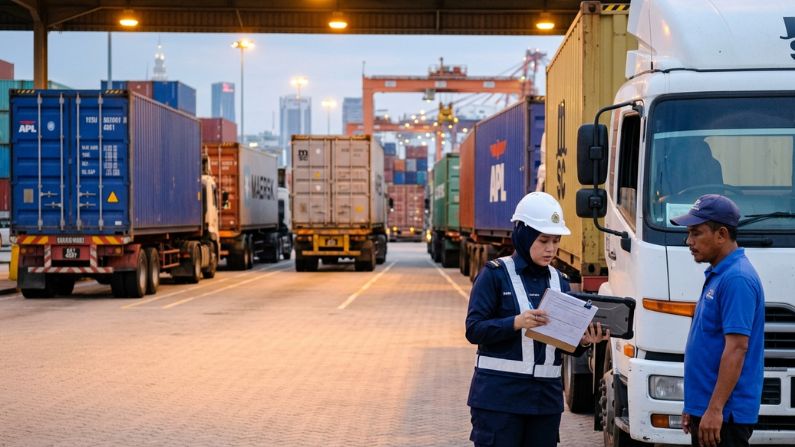
Many businesses ask how freight forwarding works when exploring international shipping options. While shipment requirements vary, the process generally follows several key stages.
Cargo Assessment
The shipment is evaluated based on cargo type, weight, dimensions, destination, and delivery requirements.
Transportation Planning
The most suitable transportation method is selected based on cost, speed, and cargo characteristics.
Carrier Booking
The freight forwarder secures transportation space with shipping lines, airlines, or trucking operators.
Documentation Preparation
Shipping documents are prepared and verified to ensure compliance with import and export regulations.
Customs Coordination
The shipment undergoes customs clearance procedures before entering or leaving a country.
Cargo Transportation
The goods are transported through the selected freight network.
Final Delivery
Once the shipment reaches its destination, arrangements are made for delivery to the consignee.
Import Export Freight Forwarding and Global Trade
Businesses involved in international commerce depend heavily on import export freight forwarding services to manage cross-border shipments. Import and export logistics involve numerous requirements, including:
- ➜ Customs documentation
- ➜ Trade compliance
- ➜ Cargo inspections
- ➜ Carrier coordination
- ➜ Shipment tracking
- ➜ Regulatory approvals
Without professional support, managing these activities can become time-consuming and increase the risk of costly delays. Experienced freight forwarders help businesses navigate international shipping regulations while ensuring cargo reaches its destination smoothly.
Cargo Security and Shipment Visibility Best Practices
International shipping involves multiple steps, and even small mistakes can lead to delays, additional costs, and supply chain disruptions.
1. Incomplete Shipping Information: Incorrect cargo or destination details can cause shipment delays and processing issues.
2. Choosing the Wrong Transport Mode: Selecting an unsuitable freight option can increase costs or extend delivery times.
3. Poor Shipment Planning: Last-minute shipping arrangements often result in higher rates and limited carrier availability.
4. Ignoring Customs Requirements: Failure to meet import and export regulations can delay cargo clearance.
5. Lack of Shipment Tracking: Limited visibility makes it difficult to monitor cargo and respond to unexpected issues.
6. Not Using Professional Freight Forwarding Services: Managing complex international shipments without expert support can increase logistics risks and inefficiencies.
How ShipperLines Supports Business Logistics
ShipperLines provides comprehensive freight forwarding services designed to help businesses manage local and international cargo movement efficiently. Our solutions include:
- ➜ Air freight services
- ➜ Sea freight services
- ➜ Land transportation
- ➜ Customs clearance support
- ➜ Import and export logistics
- ➜ Cargo tracking and coordination
- ➜ Door-to-door delivery solutions
By combining industry expertise with flexible logistics strategies, ShipperLines helps businesses maintain efficient supply chain operations while supporting growth across regional and global markets.
Conclusion
For businesses entering international trade, understanding what is freight forwarding is the first step toward building an efficient supply chain. Freight forwarding simplifies cargo transportation by coordinating shipments, managing documentation, and ensuring compliance throughout the logistics process.
From handling customs procedures to arranging multimodal transportation, professional freight forwarding services play a crucial role in global trade. Whether your business requires occasional shipments or ongoing import export freight forwarding support, partnering with an experienced logistics provider can improve efficiency, reduce risks, and help ensure cargo reaches its destination successfully.
Frequently Asked Questions
What is freight forwarding?
Freight forwarding is the coordination and management of cargo transportation between origin and destination through air, sea, land, or multimodal shipping networks.
How freight forwarding works for international shipments?
Freight forwarders manage transportation planning, documentation, customs clearance, carrier coordination, and final delivery.
What are the main freight forwarder responsibilities?
Responsibilities include shipment planning, carrier booking, documentation management, customs support, and cargo tracking.
Why do businesses use freight forwarding services?
Businesses use freight forwarding services to simplify logistics, improve efficiency, and ensure compliance with international shipping regulations.
What is import export freight forwarding?
Import export freight forwarding involves managing the transportation, documentation, and customs procedures required for international trade shipments.